How the nonsense gets made
Ten poems, ten songs, ten films. Each one is built the same way, in the same order, against the same rules — so that a boat made of cut paper in episode one and a sieve made of cut paper in episode nine plainly come from the same hands.
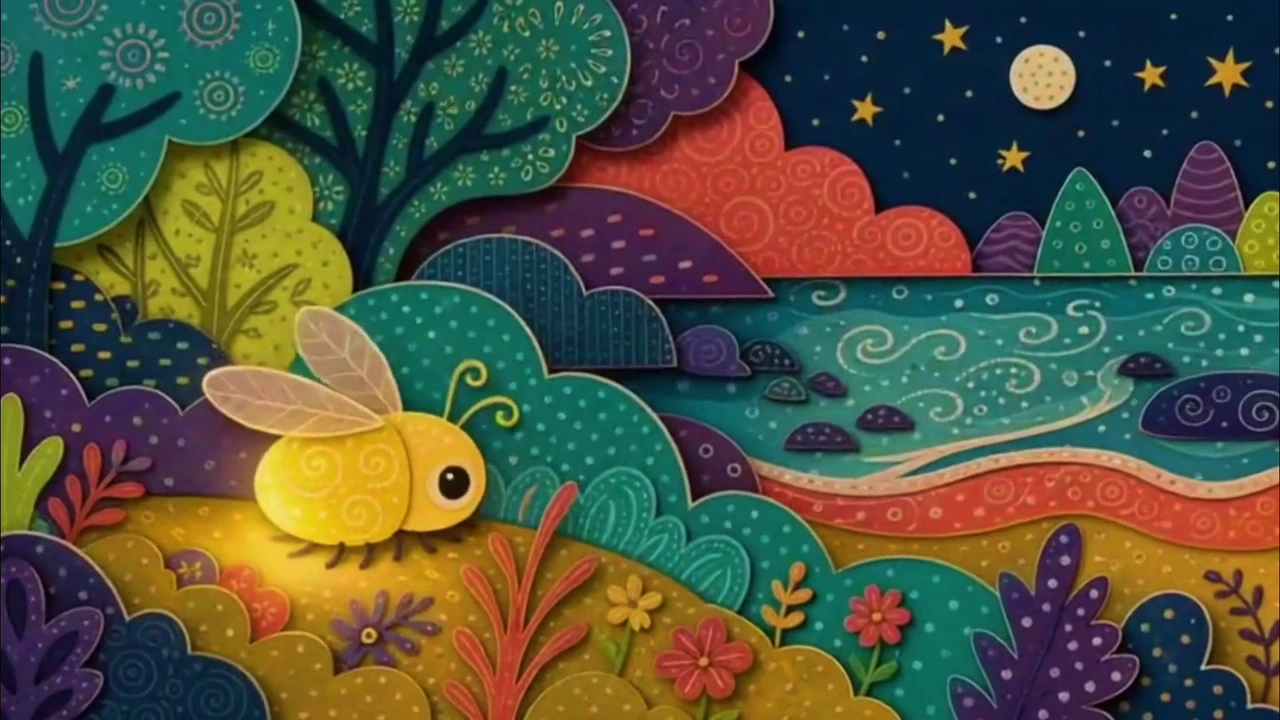
The Dong with the Luminous Nose. A single frame from this episode is the yardstick: every other episode is measured against it for texture, palette and light.
1The song comes first
Nothing is drawn until the record has been listened to a great many times.
Suzanne recorded these ten songs live at Studio D in Sausalito in December 2010, fifteen years before the first frame existed. She sings them in character — the Owl is a different creature from the Dong, the Jumblies a different crowd from the Broom and the Shovel — and that is the brief. The film has to look the way she already sounds.
So each episode is exactly as long as its song. Every cut lands on a line of Lear. The rhythm of the pictures is the rhythm of her bass, and where she pauses, the film pauses. The animation was built around the record, never the other way round.
Working order for every episode
- 1 · ListenThe song, on repeat, until the scenes suggest themselves.
- 2 · DirectA written scene list, line by line: who is in frame, what they are doing, what the camera does.
- 3 · RenderThe scenes are made a few seconds at a time, against the house style, and rejected until they are right.
- 4 · CutAssembled against Suzanne’s track. Music and vocal untouched.
- 5 · CheckCharacter, colour and texture compared against the rest of the set before a master is struck.
2One style, ten films
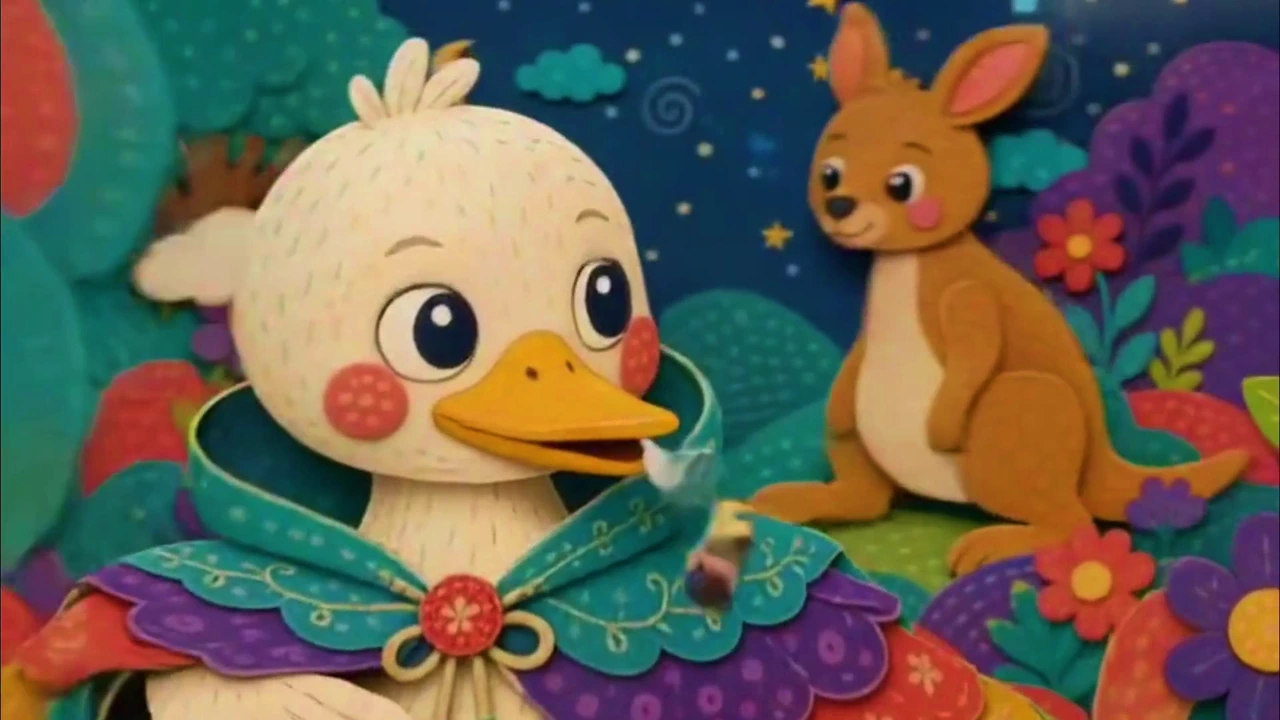
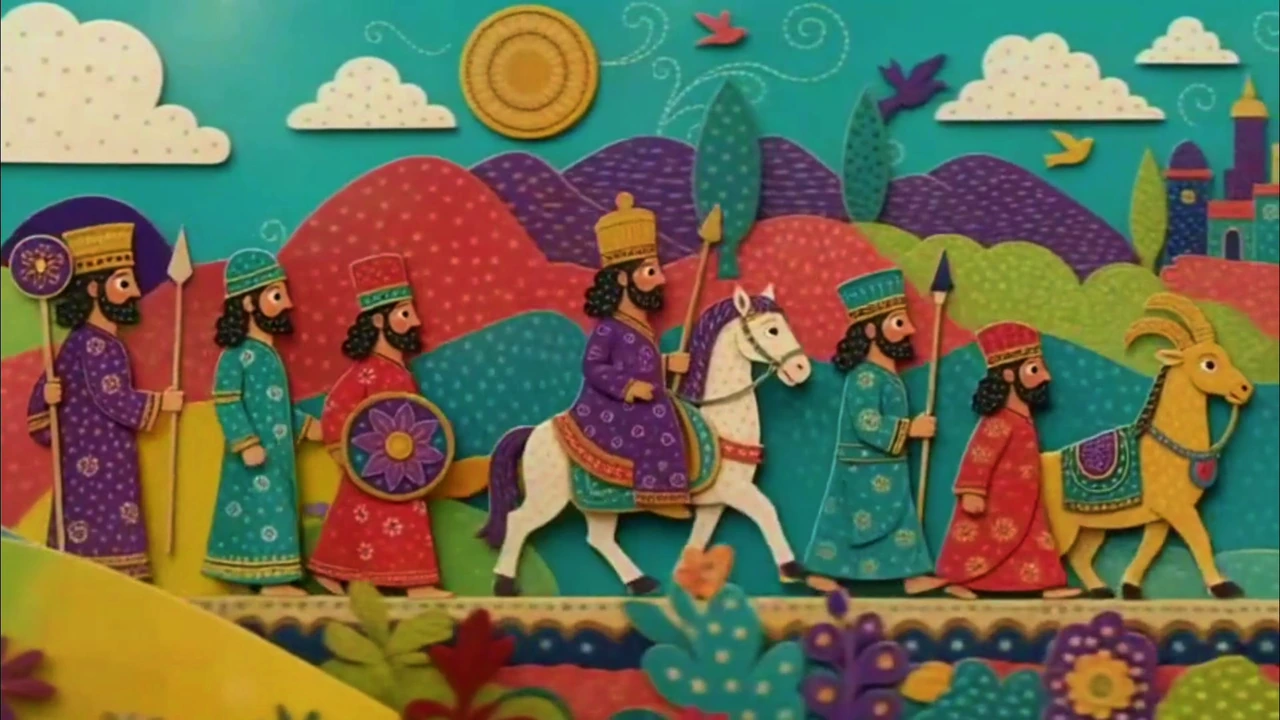
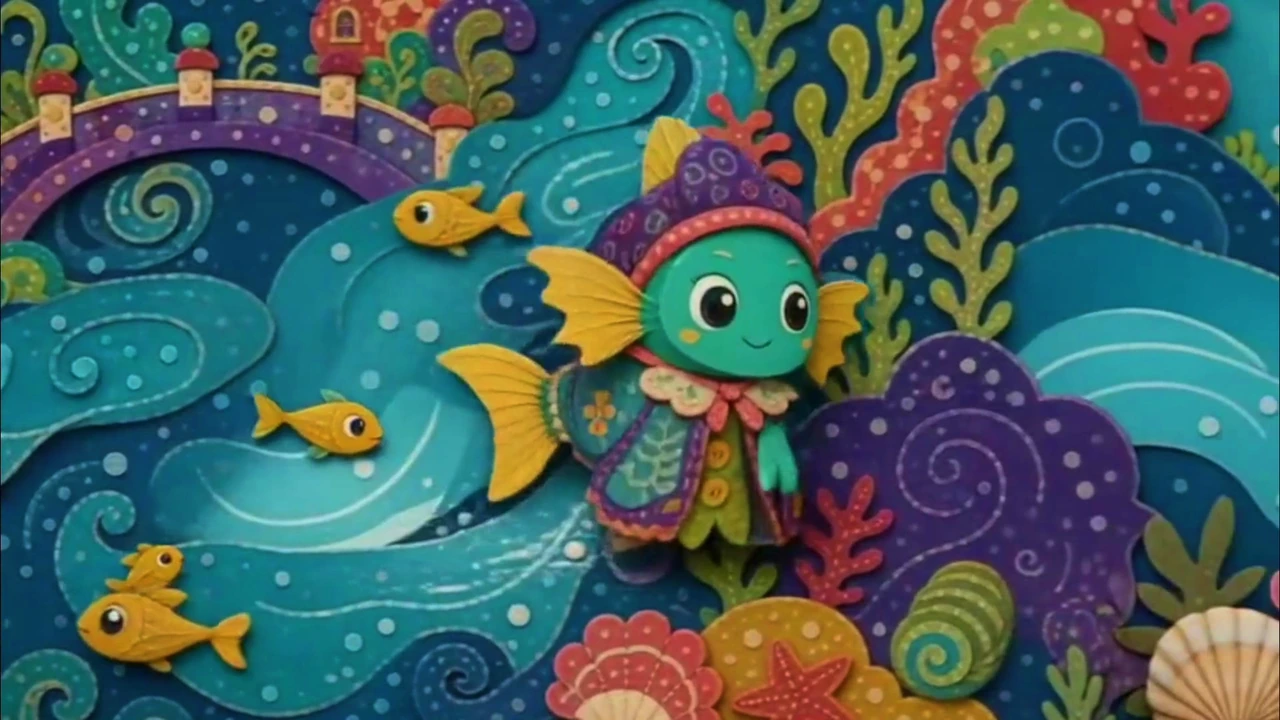
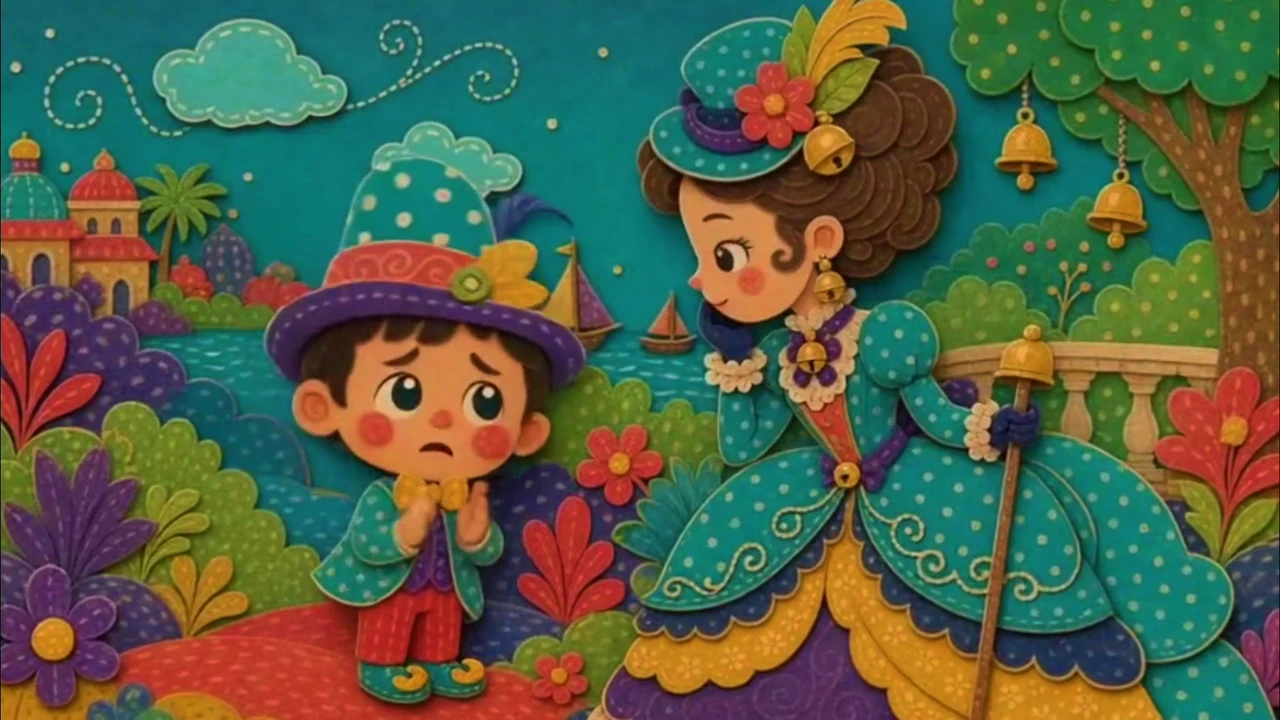
Cut paper, stitched fabric, visible texture — and a written rulebook that every scene obeys.
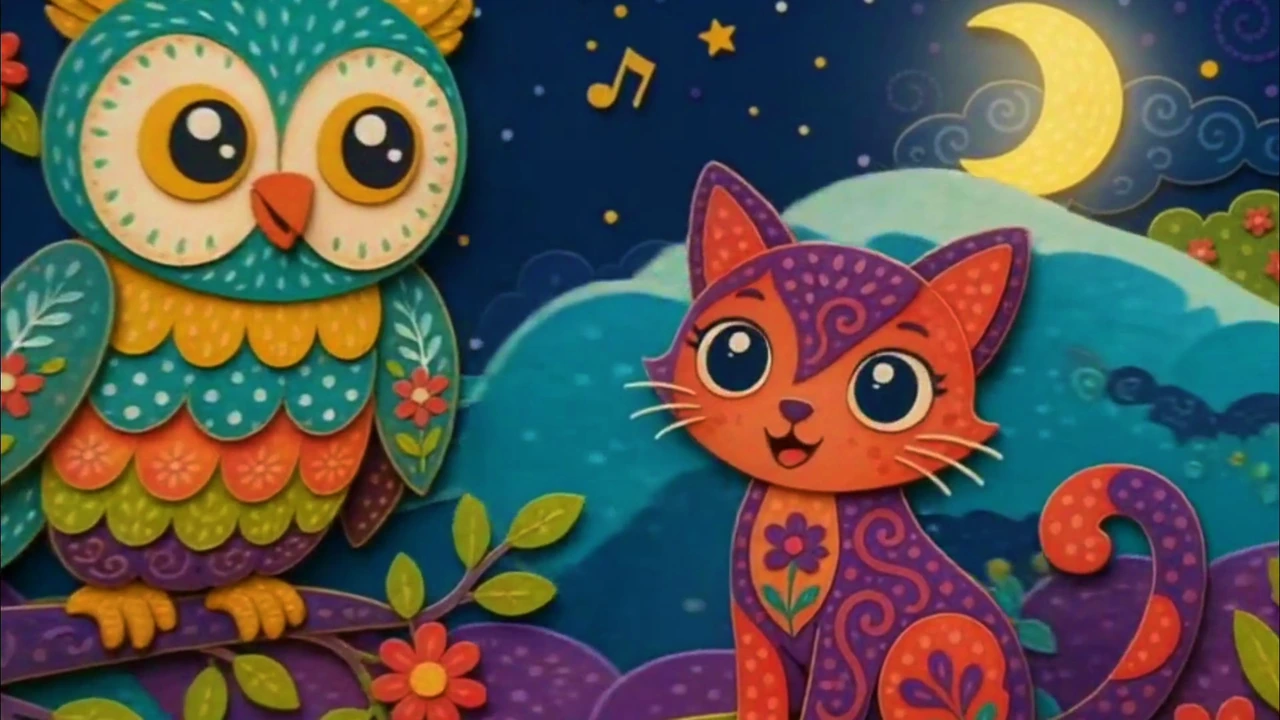
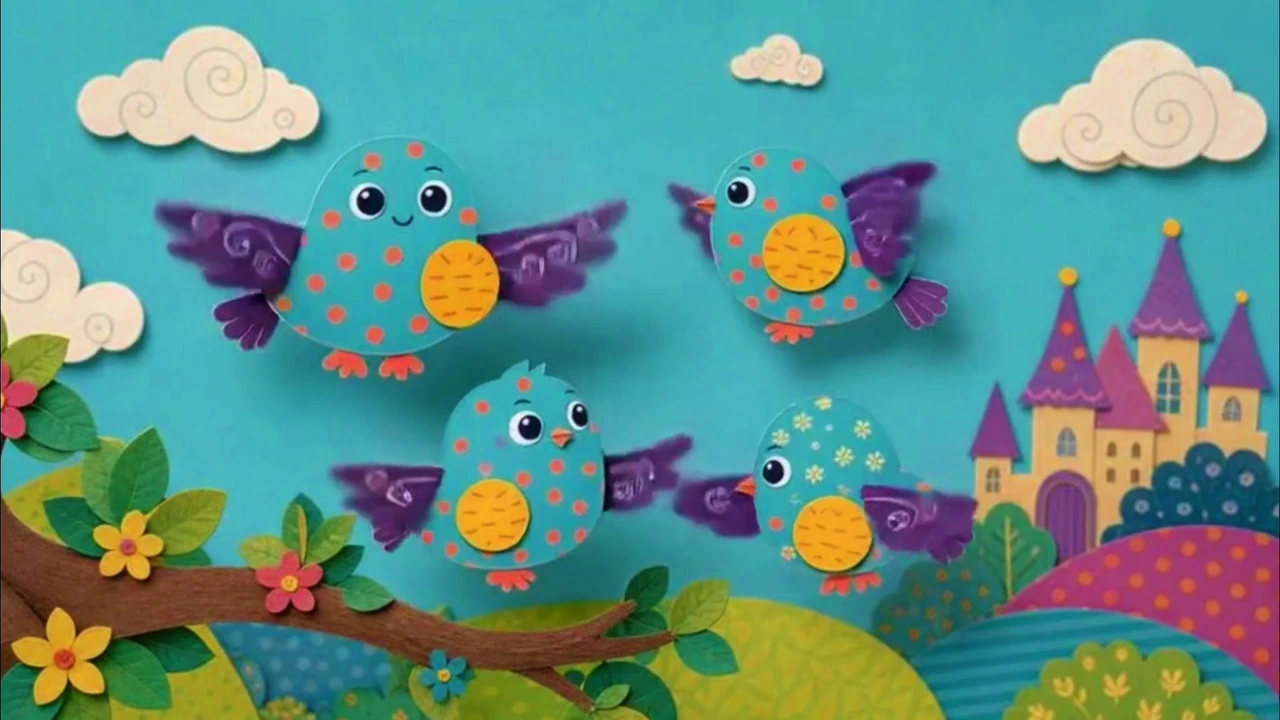
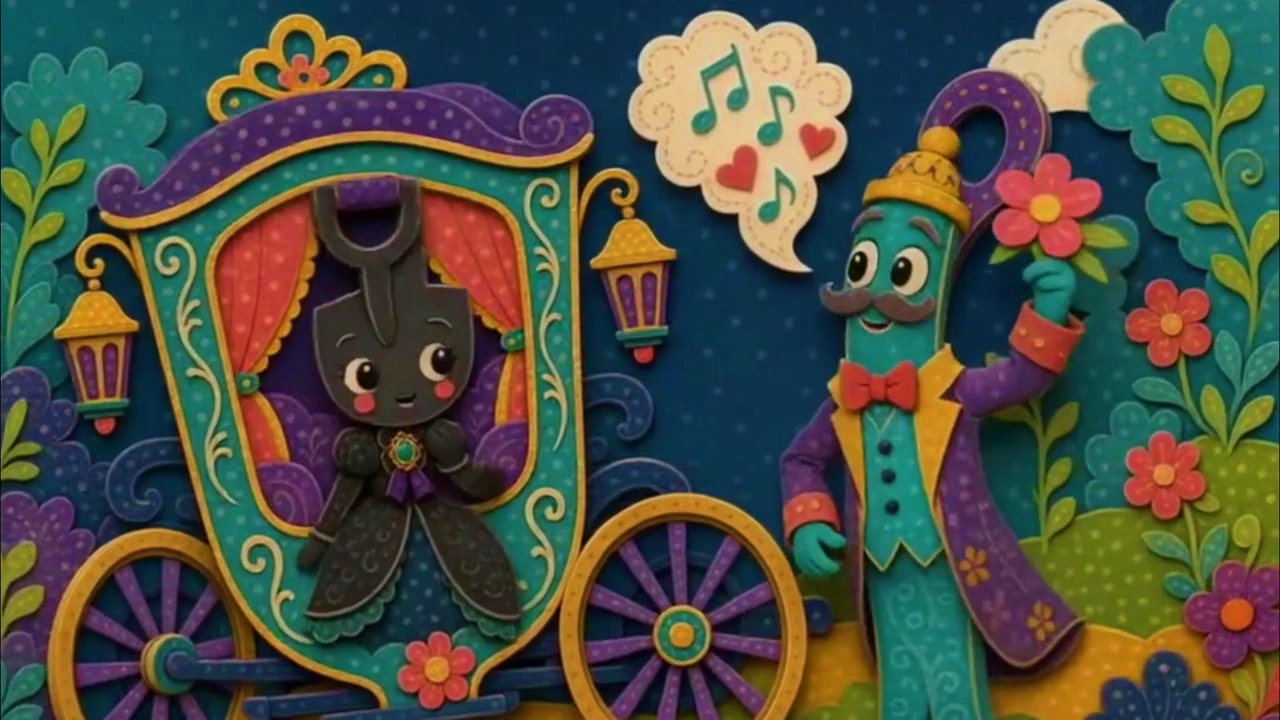
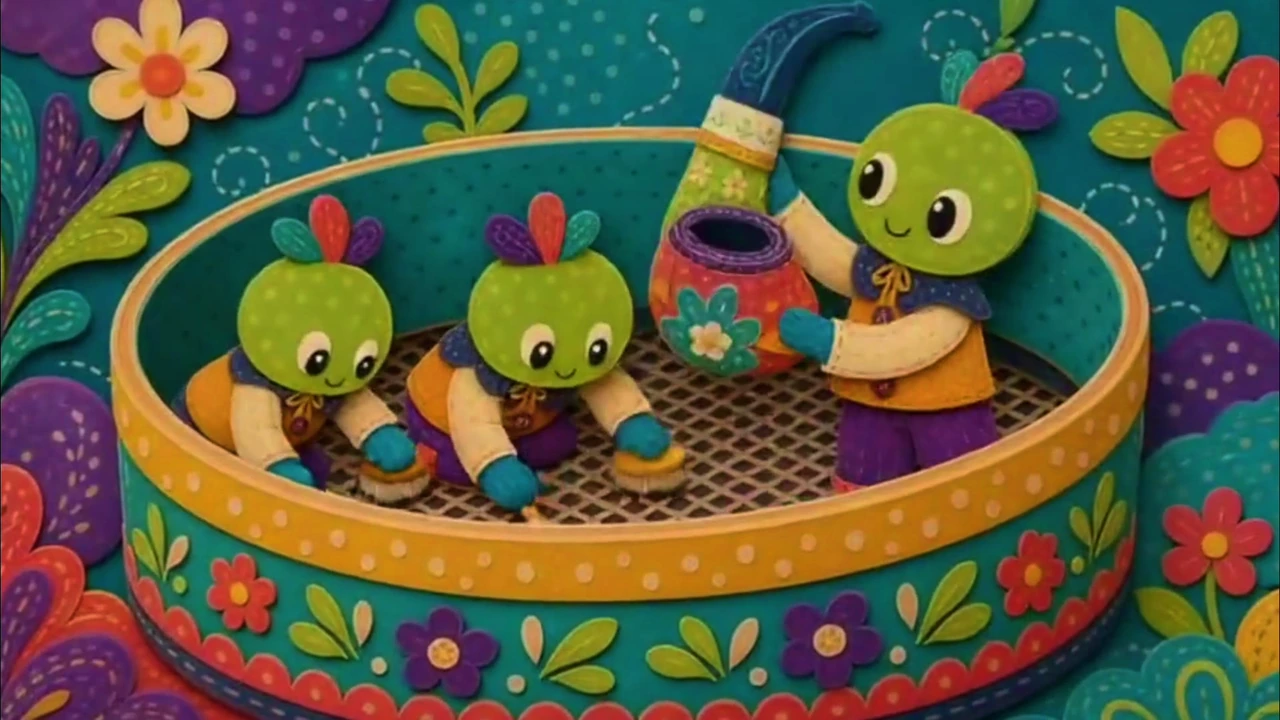
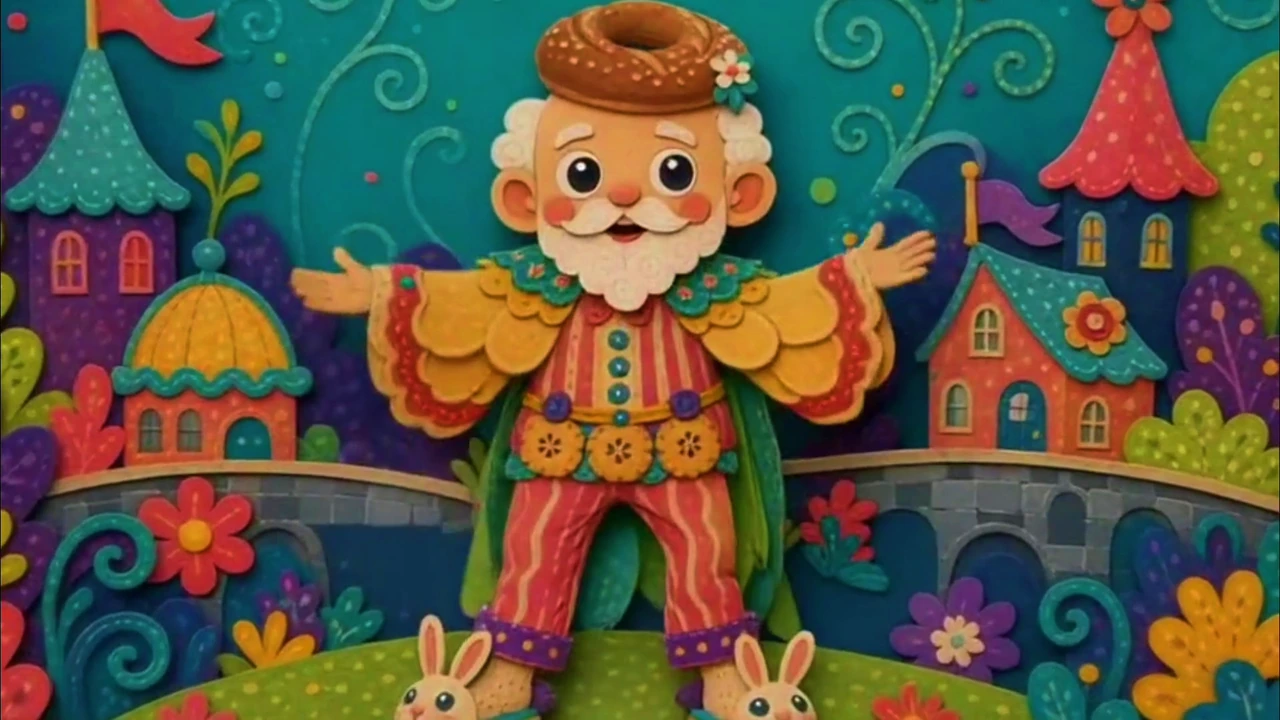
The look is called Paper & Fabric Texture Cutout. Everything in it reads as something you could pick up: paper with a torn edge, felt with a nap, calico with a print, thread you can see. It suits Lear, whose creatures are made of odd parts to begin with, and it suits Suzanne’s cover for the album, a fabric collage of patterned hills under a red sky.
The style lives as a fixed set of instructions — the same words, the same reference, the same settings — that every scene in every episode is rendered against. The tools underneath have changed more than once over the course of production. The rulebook has not. That is the only reason ten films made across many months look like one picture show.
3Character
A creature has to be the same creature in the last shot as in the first.
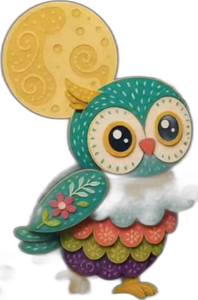
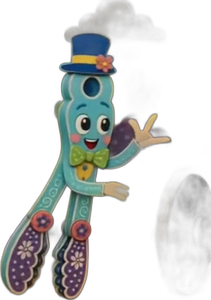
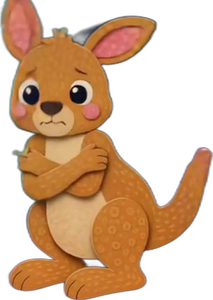
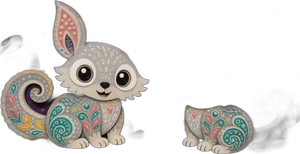
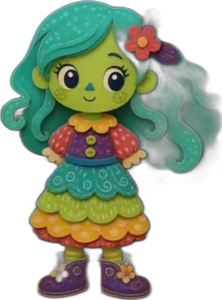
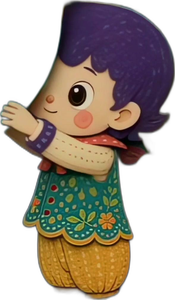
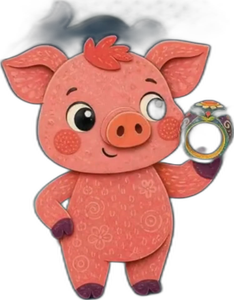
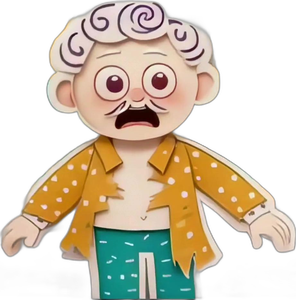
Each character starts as one approved picture — an anchor — and every later scene is made from that anchor, not from a fresh description. Describe the Owl twice and you get two owls. Start from the same Owl every time and you get one.
The hardest case was The New Vestments, which is a single man being dressed in ever-stranger clothes and growing wider with every verse. It could not be made the ordinary way at all. The man was built as seven stages — from his union suit to the final cabbage-leaf sphere — each one edited from the same approved starting image, so that his height never changes while his width does. Then a thirty-nine-shot storyboard, timed to the song, put the seven men in order.
The New Vestments, by the numbers
The one episode that broke the standard pipeline, and how it was rebuilt by hand.
4Continuity and colour
Measured, not eyeballed.
When a scene comes back it is compared with the rest of the set — not by squinting at it, but by measuring it. Brightness, saturation and texture are read off the frames and set beside the same numbers from every other episode. A frame that sits outside the family is rejected, however pretty it is on its own.
This has caught real drift. A rebuilt version of one episode came back pale and washed-out; its mid-tone brightness measured 52 against a series baseline of 83. On its own it looked fine. Next to the others it looked like a different show. It did not ship.
The same rule runs through the whole midway: one fix applies to every episode, every page and every game, uniformly. A picture show is a set, and a set is only as good as its weakest match.
What gets checked before a master is struck
- PaletteThe night blues, the calico reds, the lamp-glow gold — against the reference frame.
- TexturePaper grain, fabric weave, torn edges present and at the same scale.
- CharacterSame creature, same proportions, same costume, shot to shot.
- Cadence24 frames a second, throughout, including Suzanne’s introductions.
- SoundSuzanne’s recording used exactly as recorded: no re-tuning, no re-timing, no replacement.
5Suzanne, on camera
Every film arrives the way it would at a live show: introduced.
Before each poem, Suzanne steps out in costume and in character and tells you what you are about to see — the way a minstrel would at a sideshow. These introductions are filmed against a plain backdrop, then lifted out of the room they were shot in and set down inside the world of the episode: the flat teal sky of Calico Pie, the caravan interior of the Broom and the Shovel.
Everything you see in her shot is meant to be there. A stand of fire irons beside her is set dressing, not clutter; the hem of a costume runs to the edge of frame because that is how it was shot. The introductions are conformed to the animation’s 24 frames a second, so the cut from her to the paper world does not stutter, and they are kept as their own films — played first, never stitched into the episode masters.
AI is a tool. The work is ours.
Yes, these films use artificial intelligence. Here is what that does and does not mean.
“No, I don’t type ‘make me a music video’ into a box and post whatever comes out.”
Suzanne wrote and recorded the music. Charles Paul Jones directs: he chooses what each poem looks like, writes the scenes, builds the characters, sets the rules of the style, and decides what stays, what is thrown away and what is made again — scene by scene, a few seconds at a time. The image and video models are where the drawing happens. They are not where the deciding happens.
What the tools give one small production company in Chimayó is the reach that used to need an animation house. What they do not give is a point of view, a song worth animating, or the responsibility to make the thing mean something. Those stay with the people whose names are on it.
- WordsEdward Lear, 1812–1888. Public domain.
- Music and voiceSuzanne Birrell. Composed, sung and played by her; recorded live in 2010.
- Direction and productionCharles Paul Jones, Birrell Jones Productions.
- MastersTen films at 1920×1080, 24 fps, 45 minutes in all. Each master is archived with a cryptographic checksum, so the file you buy is provably the file that was made.
- IntroductionsSuzanne Birrell, on camera, in costume.
And then, the Midway
Each poem is also becoming a game — one for every act of the sideshow.
Lear’s nonsense is a gift to a child who is learning how words work: it rhymes, it repeats, it invents, and it never talks down. So every film is paired with a small game built on one thing a three-, four- or five-year-old is working out about reading — rhyme, rhythm, the sounds letters make, the idea that print carries meaning.
The first act is open: help the Dong find his luminous nose across the Gromboolian plain, guided by rhymes. The rest are on the drawing board, in cut paper.
Play Act One
The Dong with the Luminous Nose — a search in the dark, where words that rhyme with “Dong” point the truer way.